
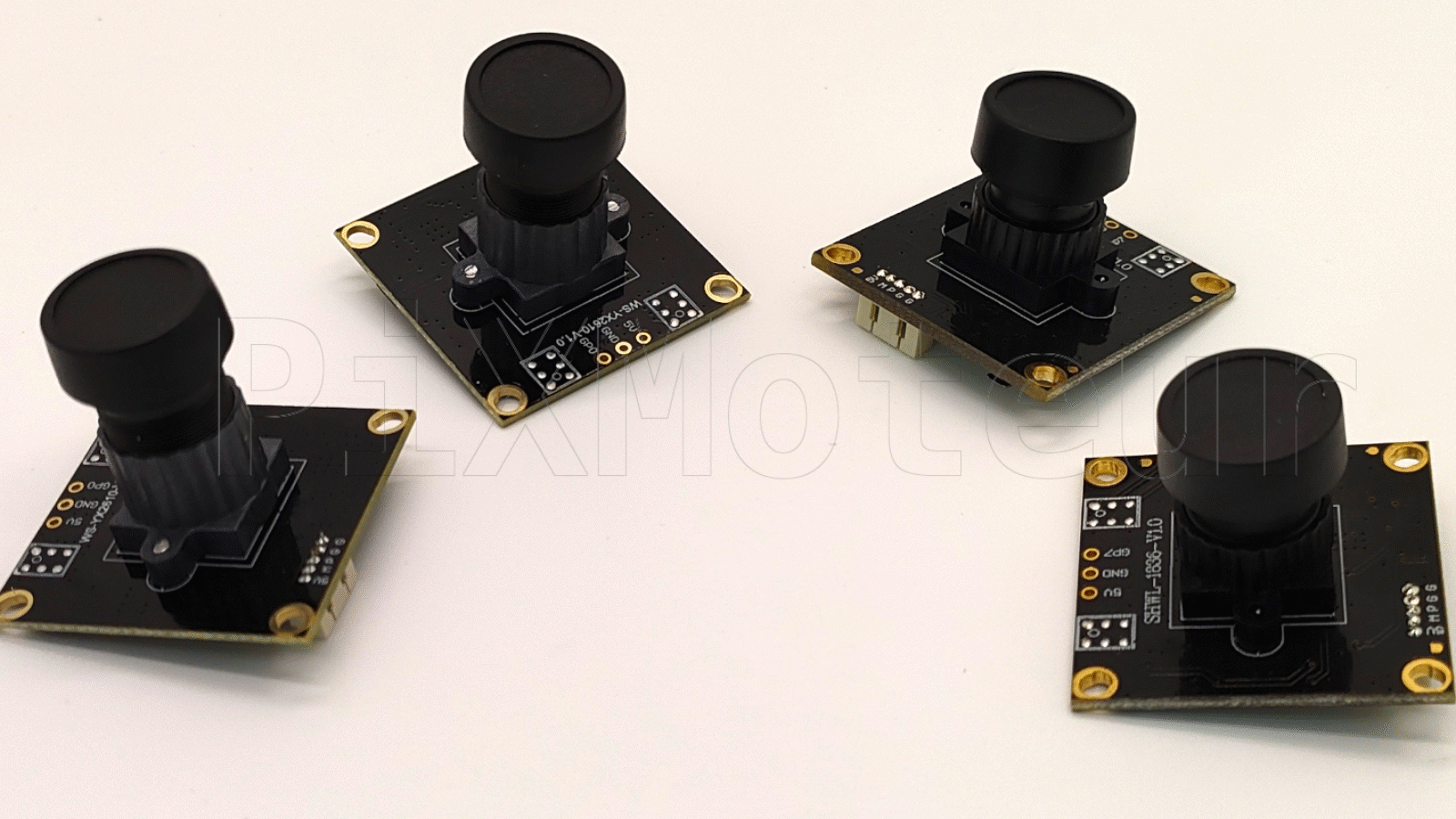
USB camera modules have become ubiquitous in modern technology, powering everything from webcams and security systems to industrial inspection equipment and medical devices. Their versatility, ease of integration, and affordability make them a popular choice for a wide range of applications. This article delves into the world of USB camera module series, exploring their features, benefits, and considerations for selecting the right one for your needs.
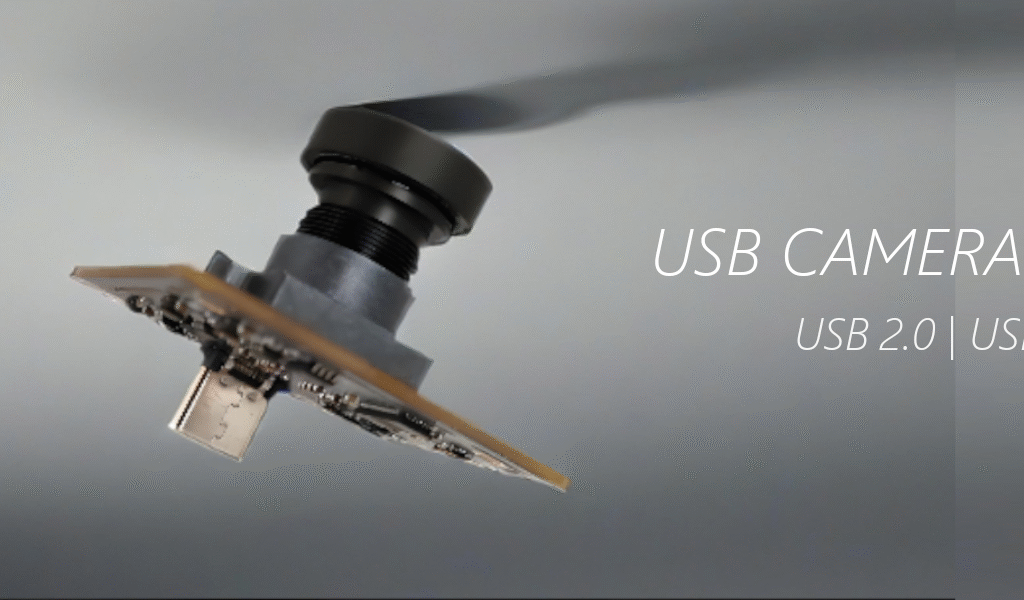
What is a USB Camera Module?
A USB camera module is a compact, self-contained imaging device that captures visual data and transmits it to a host device (like a computer or embedded system) via a USB interface. These modules typically consist of an image sensor (CMOS or CCD), a lens, image processing circuitry, and a USB interface controller. The image sensor converts light into electrical signals, which are then processed and converted into a digital format that can be transmitted over USB.
Key Features and Benefits
Several factors contribute to the widespread adoption of USB camera modules:
- Plug-and-Play Functionality: USB connectivity simplifies integration. Most operating systems recognize USB cameras automatically, requiring minimal setup.
- Versatility: USB camera modules are available in various resolutions, frame rates, and form factors, catering to diverse application requirements.
- Cost-Effectiveness: Compared to other imaging solutions, USB camera modules offer a cost-effective way to incorporate visual capabilities into a product.
- Wide Compatibility: USB is a universally supported standard, ensuring compatibility with a broad range of devices and operating systems.
- Ease of Use: Software development kits (SDKs) and drivers are readily available, simplifying software integration and customization.
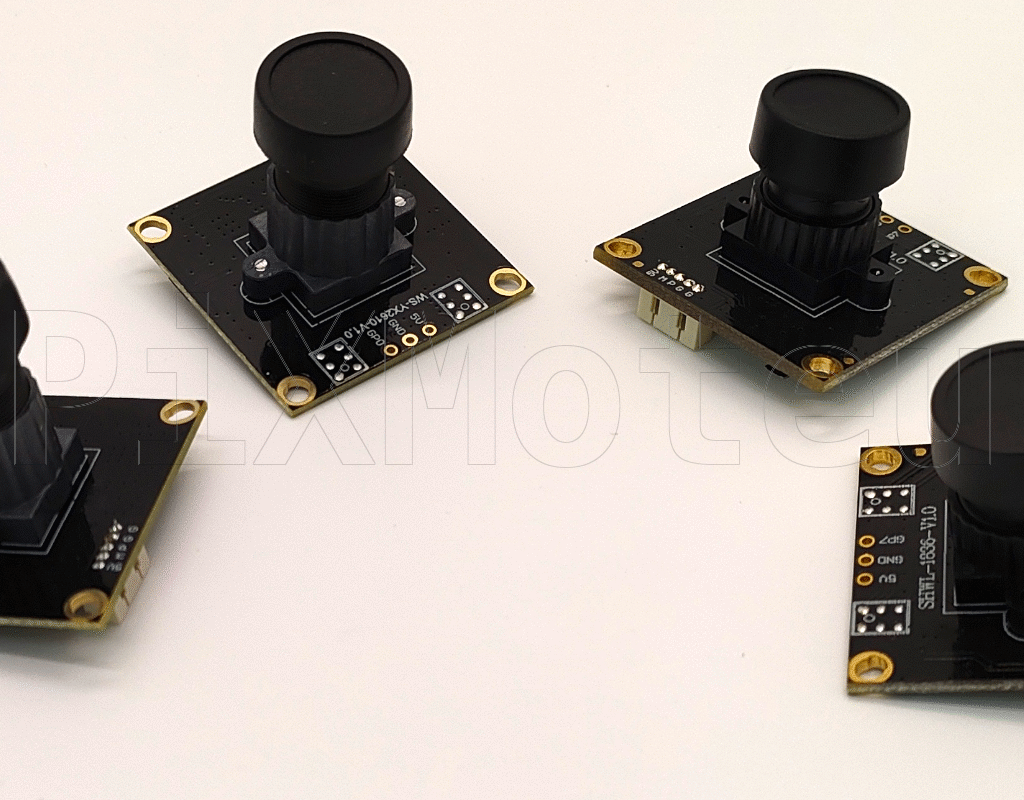
Choosing the Right USB Camera Module
Selecting the appropriate USB camera module involves considering several factors:- Resolution: Determine the required image resolution based on the application’s needs. Higher resolutions provide more detail but may require more processing power.
- Frame Rate: The frame rate (frames per second or FPS) dictates the smoothness of the video. Choose a frame rate suitable for the intended application.
- Image Sensor Type: CMOS sensors are generally more affordable and energy-efficient, while CCD sensors often offer superior image quality, especially in low-light conditions.
- Lens: Select a lens with the appropriate focal length and field of view for the application.
- Interface: Ensure the USB interface (USB 2.0, USB 3.0, etc.) meets the bandwidth requirements of the application. USB 3.0 offers significantly higher data transfer rates than USB 2.0.
- Form Factor: Consider the size and shape of the module to ensure it fits within the intended enclosure or design.
- Operating Environment: Evaluate the operating temperature range and other environmental factors to ensure the module can withstand the conditions.
Applications of USB Camera Modules
USB camera modules find applications in numerous fields:
- Webcams: For video conferencing, online meetings, and streaming.
- Security Systems: For surveillance and monitoring.
- Industrial Inspection: For quality control and automated inspection processes.
- Medical Devices: For endoscopy, ophthalmology, and other medical imaging applications.
- Robotics: For navigation, object recognition, and human-robot interaction.
- Embedded Systems: For various applications requiring visual input.
Leave A Comment