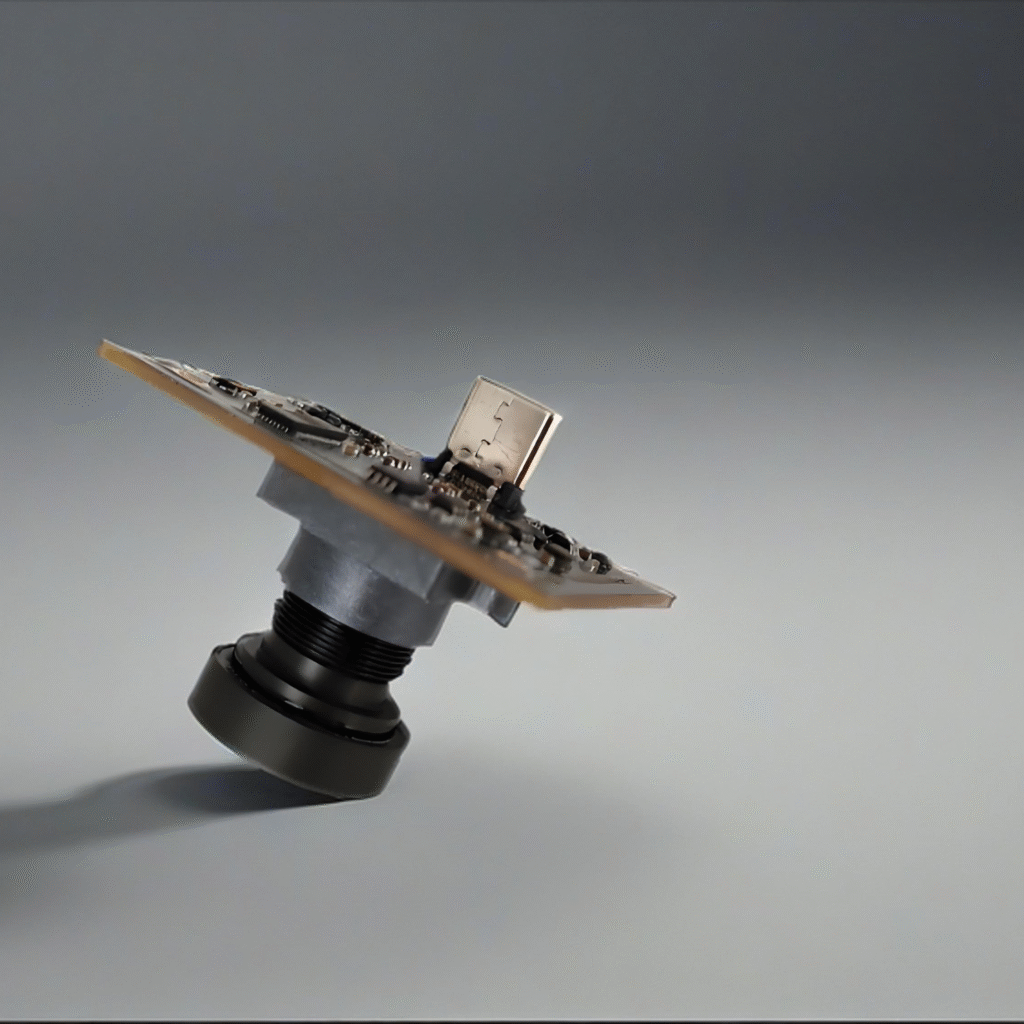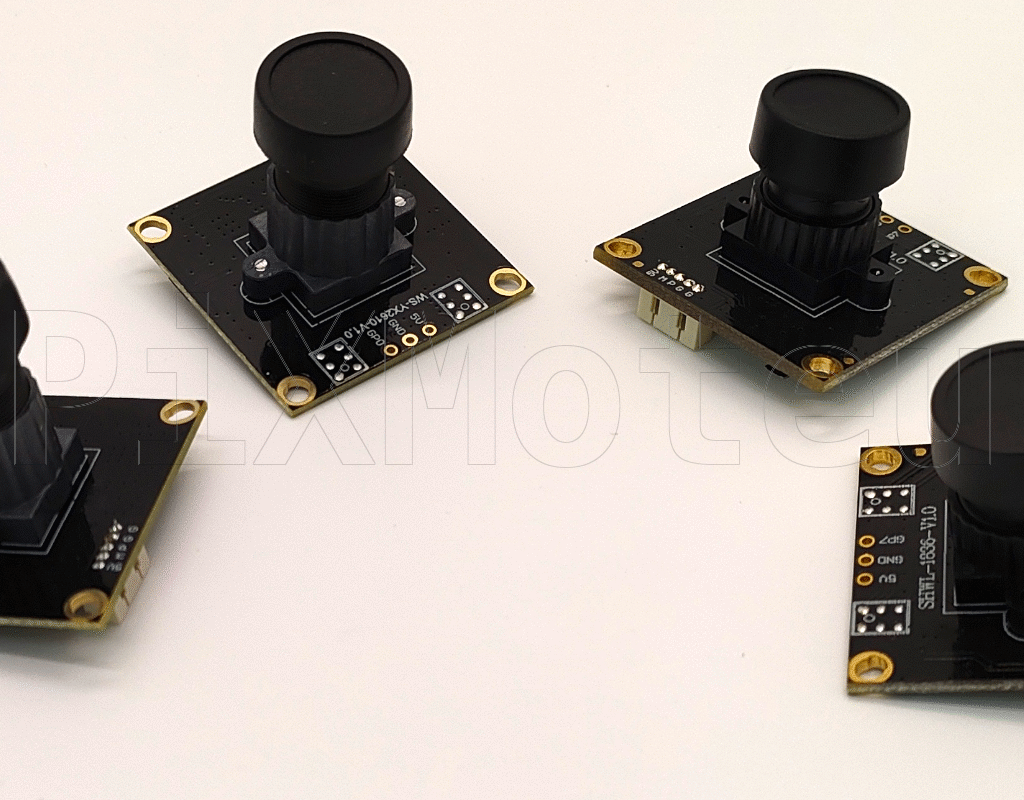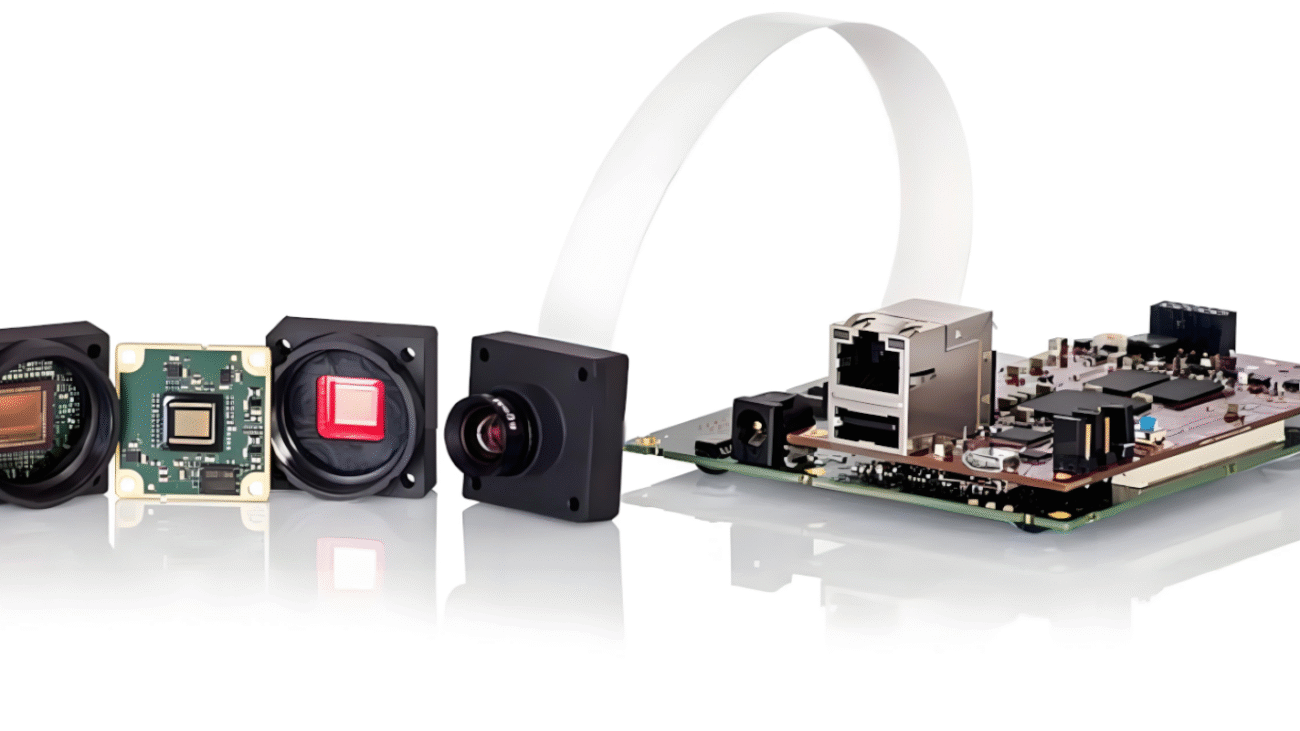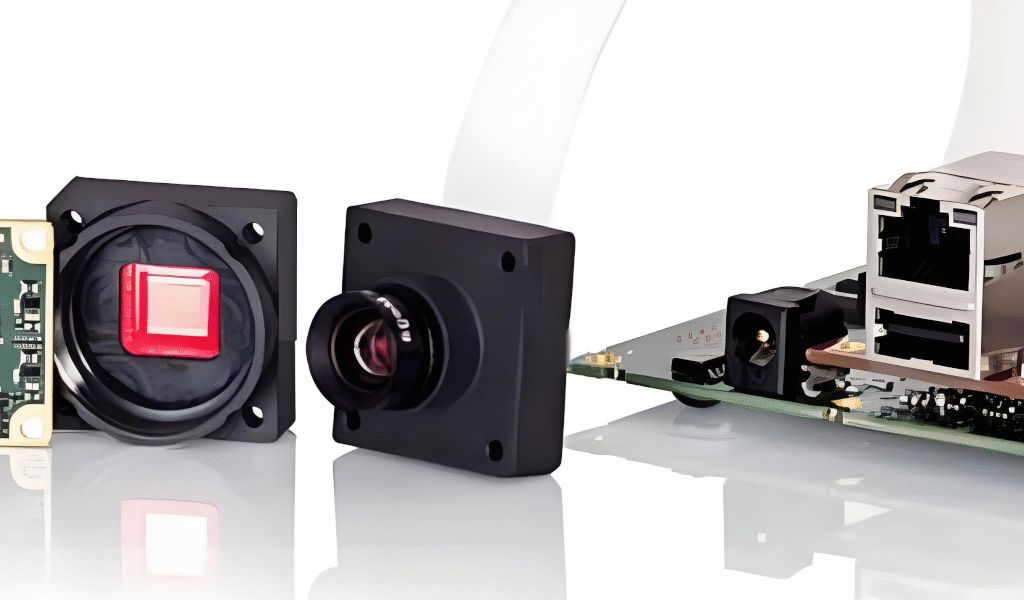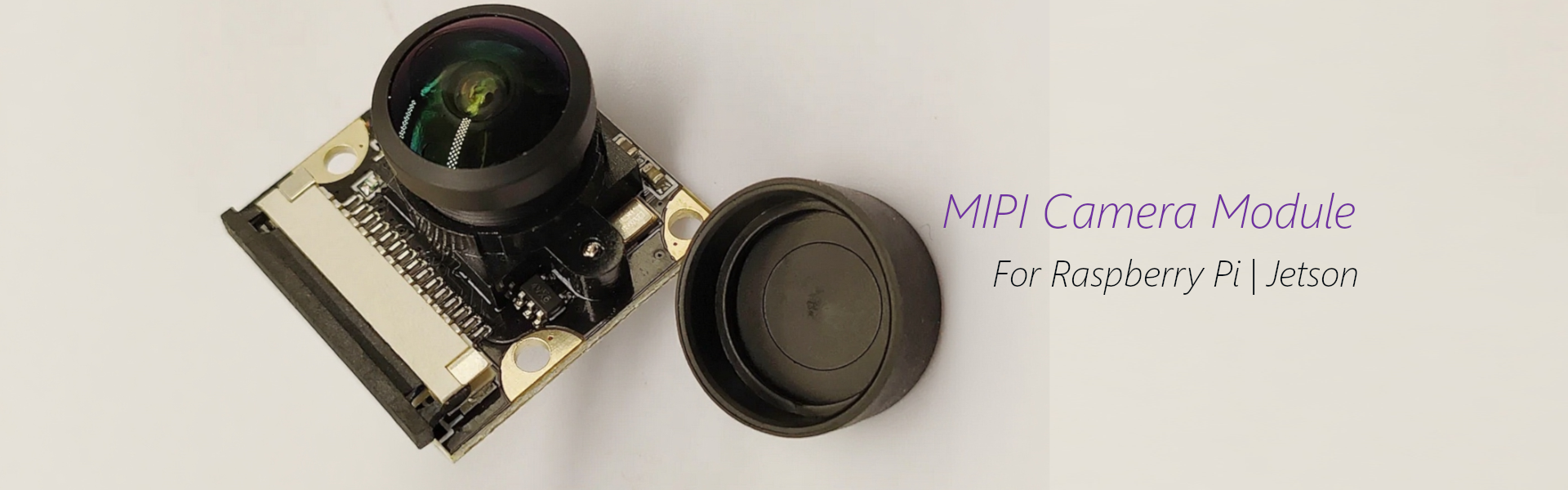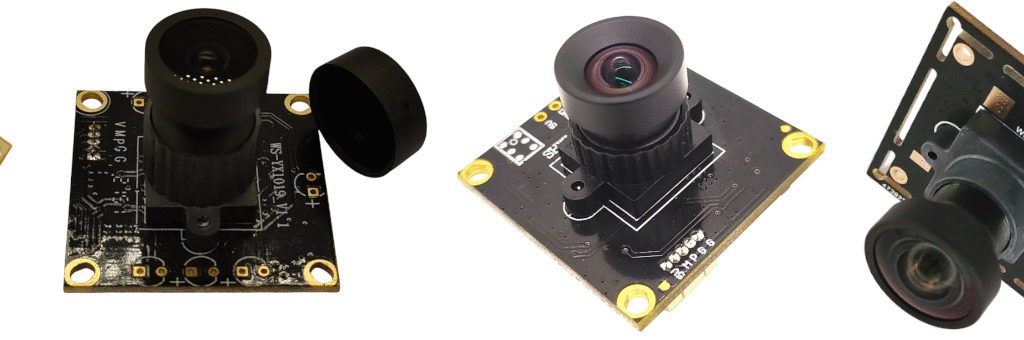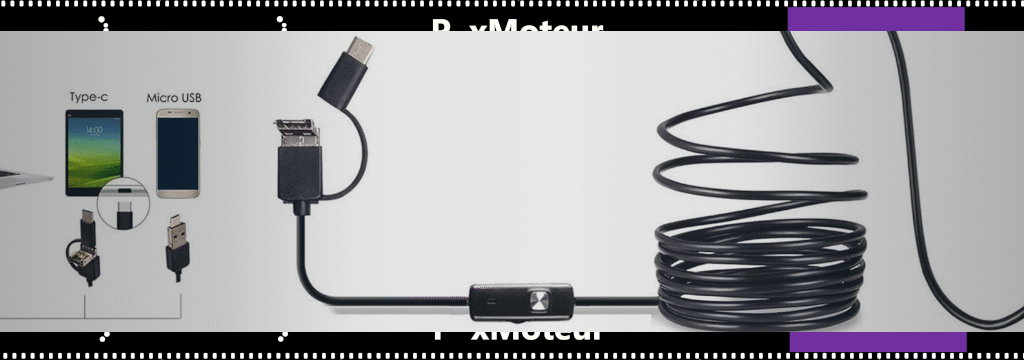
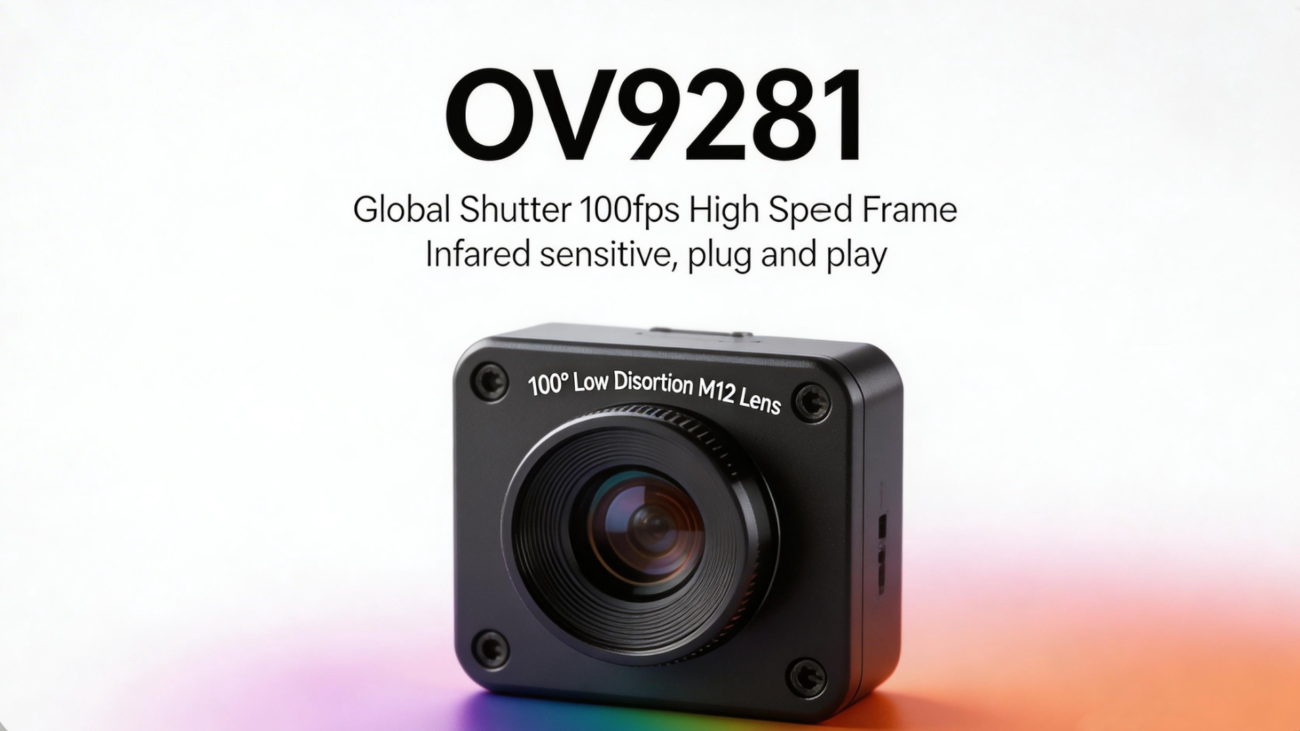
fishing camera kits

Fishing Camera — Advanced Underwater Observation Module for OEM&ODM

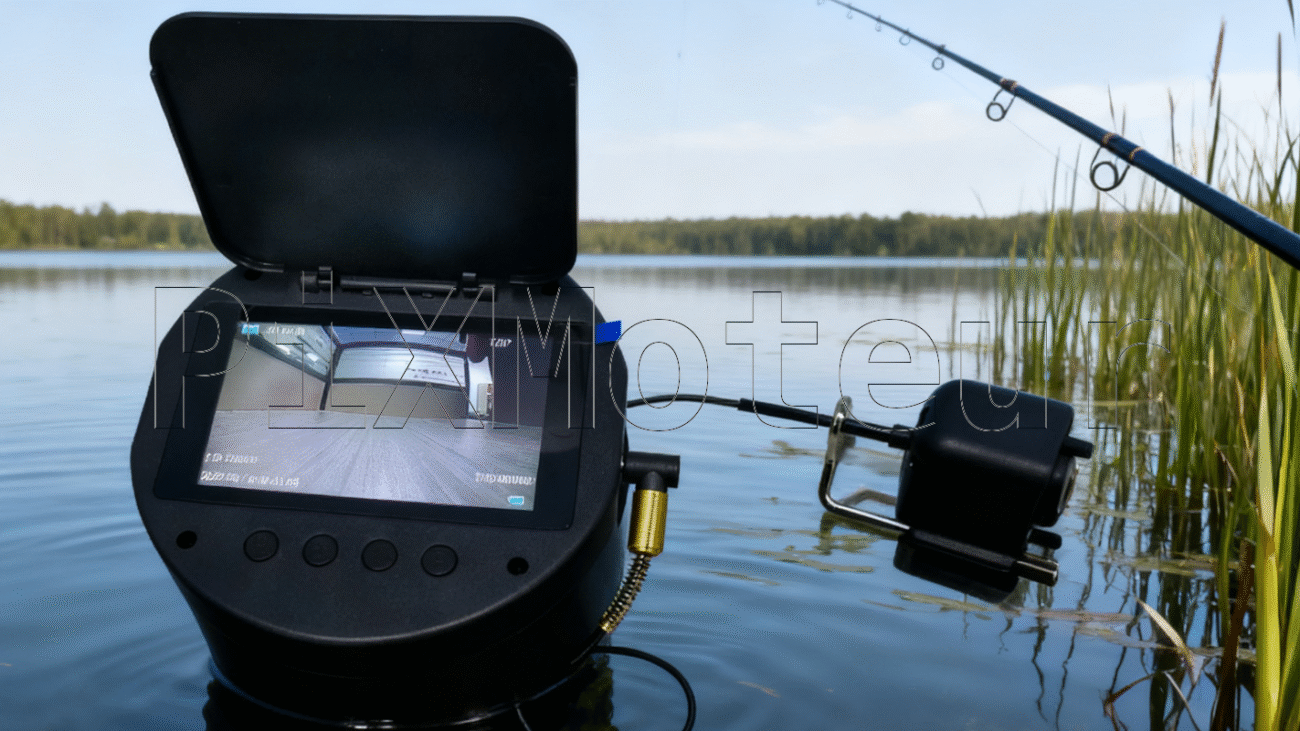
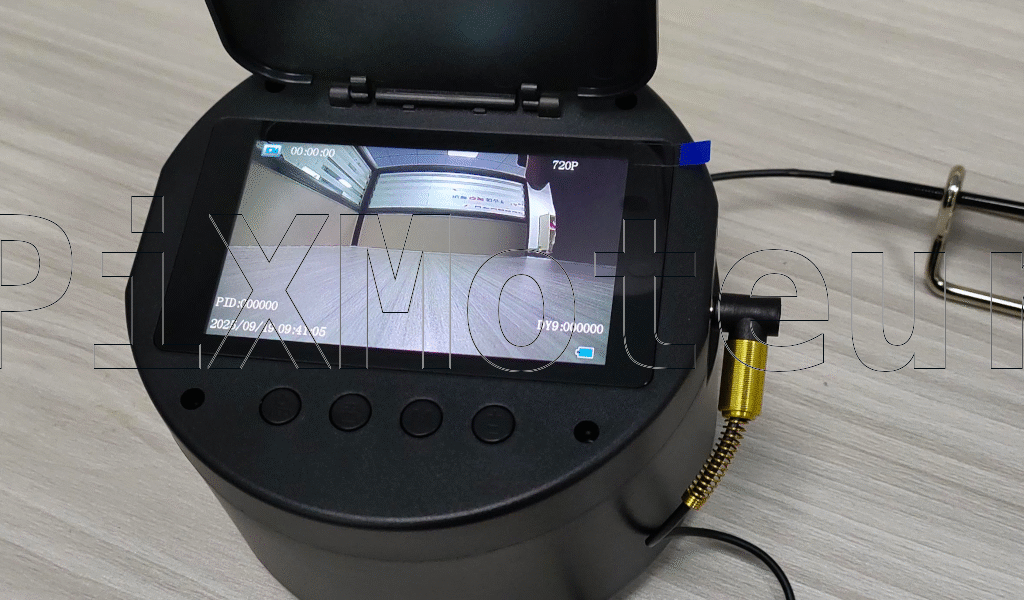
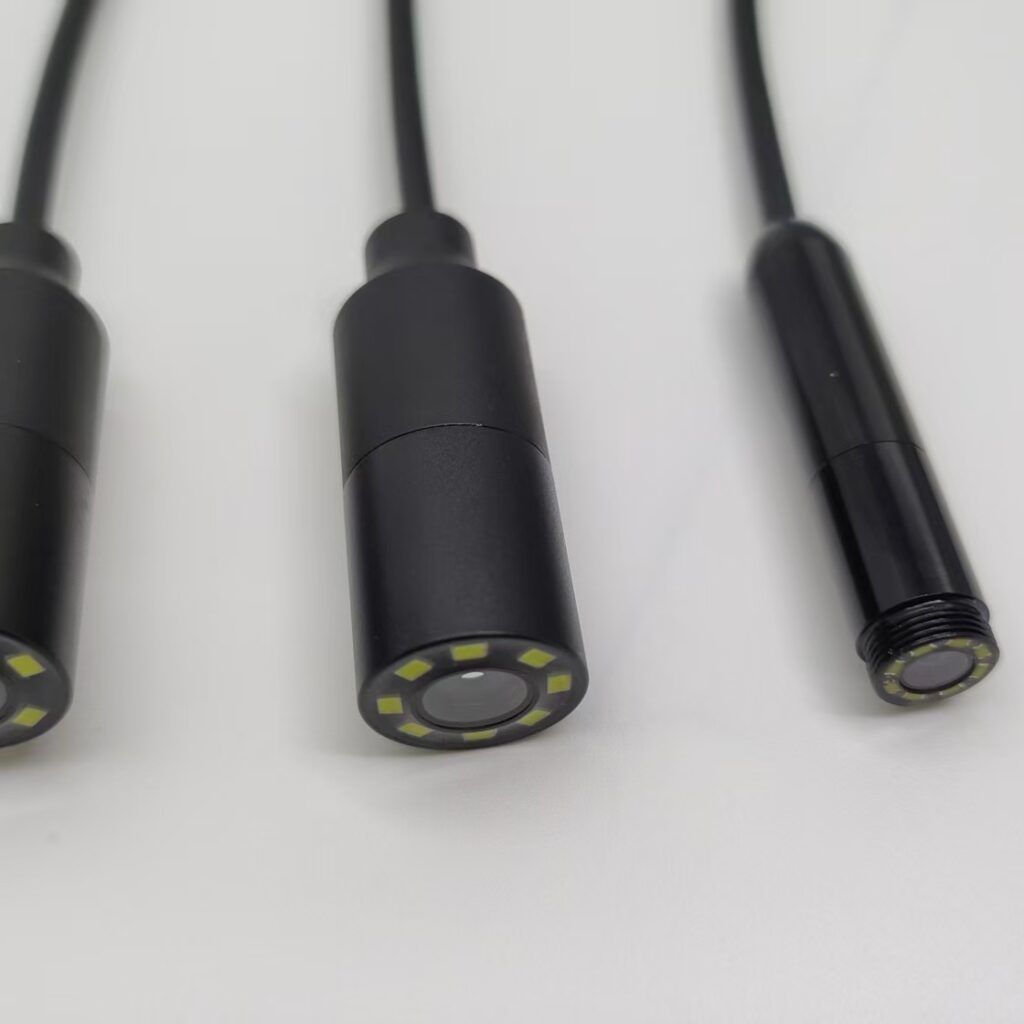
The Fishing Camera is a compact, rugged underwater camera module designed for anglers, researchers, and inspection professionals. Combining a wide-angle lensHD LCD display, and intelligent features such as  voice prompt and Wi‑Fi connectivity, it delivers a convenient, high-quality view into underwater environments. The unit supports 50 m cable length, up to 8 hours of continuous operation, and accepts OEM & ODM requests with full customization.

Camera for fishing application

Fishing Camera

Key Features

  • Wide-angle camera: Captures a broad field of view to monitor fish behavior and underwater structures more effectively than narrow lenses.
  • 50 m coiled cable: Flexible, space-saving coiled cable design that extends to 50 meters for deep-water use while staying tangle-resistant and easy to stow.
    8 hours working time: Long battery life for extended fishing trips or inspection sessions without frequent recharging.- HD LCD with protector: Built-in high-definition display for live monitoring and playback, protected by a durable screen guard to resist scratches and impacts.
  • Video playback: On-device playback lets you review recorded footage immediately on the HD LCD—no need to transfer files first.
  • Voice prompt: Spoken feedback for status updates (power, recording, connection) for hands-free operation and better situational awareness.
  • Wi‑Fi connection: Stream live video to smartphones or tablets, transfer files wirelessly, and control camera functions via a companion app.
  • Coiled cable: Enhances portability and reduces cable wear; retraction helps avoid snags and makes deployment/retrieval faster.
  • Accepts OEM & ODM: Full customization available for lens specification, housing materials, cable length, connector types, UI language, branding, and feature sets.

Fishing Camera Typical Use Cases

  • Recreational fishing: Spot and monitor fish behavior, check bait placement, and evaluate structure.
  • Scientific research: Record and review underwater observations for behavioral or habitat studies.
  • Boat and hull inspection: Inspect keels, propellers, and hard-to-reach underwater components.
  • Aquaculture monitoring: Check pen conditions, fish health, and feed activity.
  • Search and recovery: Assist short-range search of submerged areas where visibility allows.
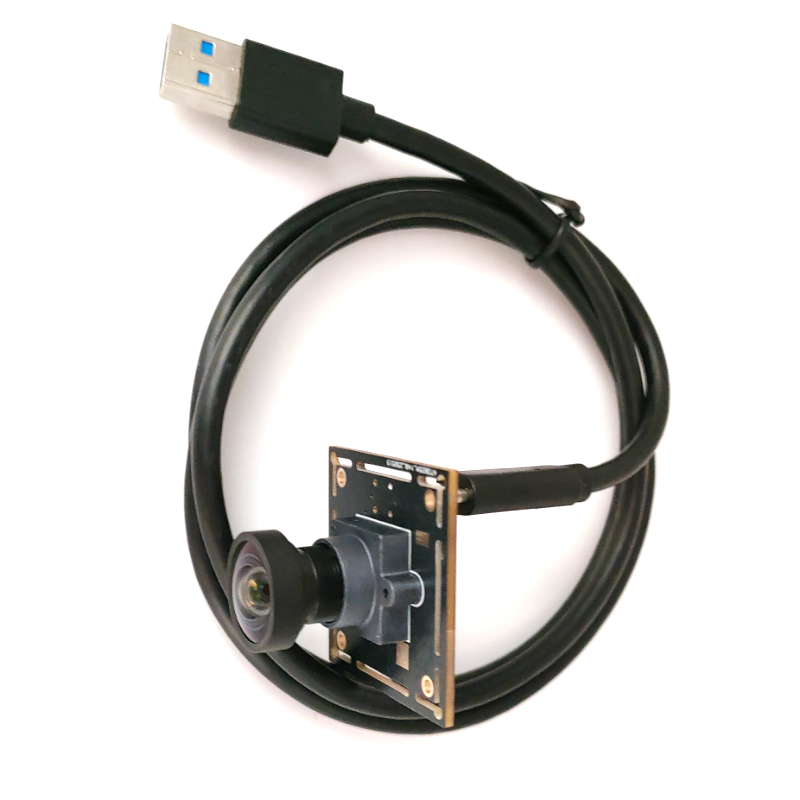
USB3.0 UVC camera module

How to Choose a USB 3.0 Camera Module — Guide and Applications

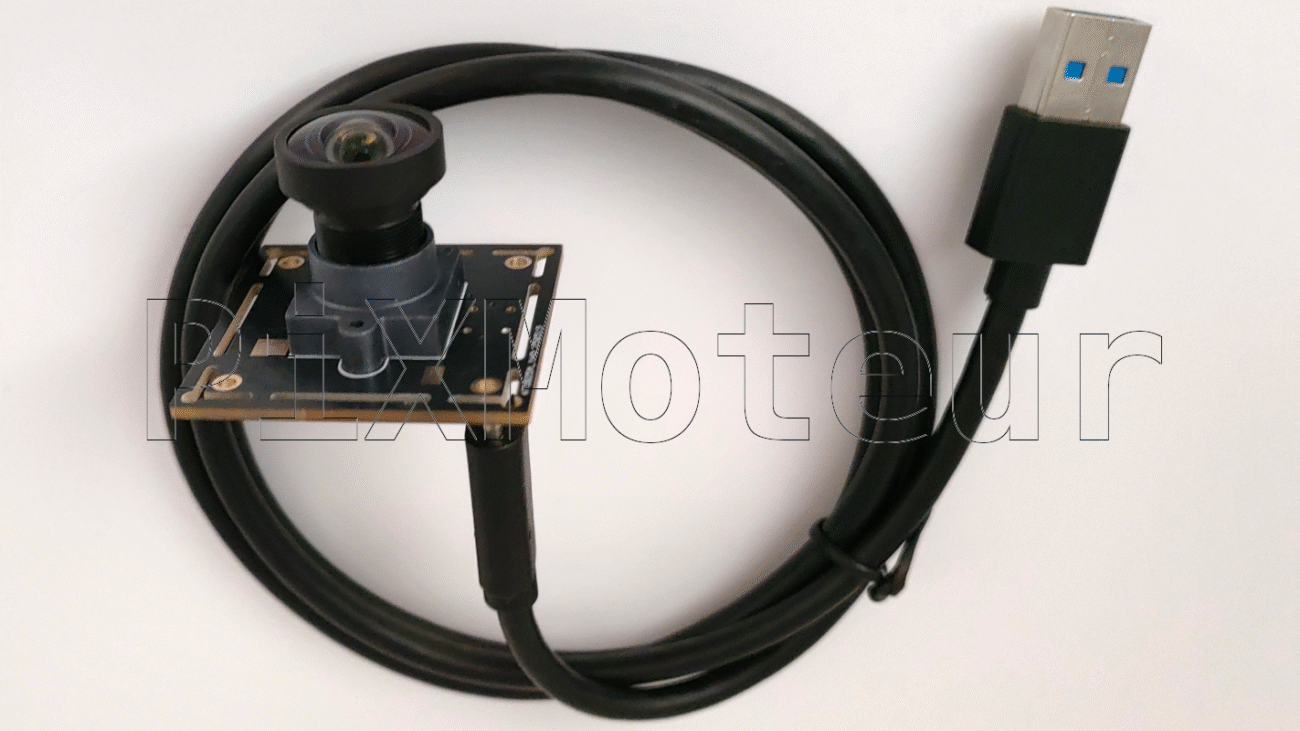
USB 3.0 camera modules are widely used in industrial inspection, machine vision, medical imaging, robotics, research, and high-quality consumer devices. Compared with USB 2.0, USB 3.0 provides much higher bandwidth (up to 5 Gbps), lower latency, and more reliable data transfer, enabling higher resolution, higher frame rates, or both. This article explains how to choose the right USB 3.0 camera module and describes common application scenarios.

Why Choose USB 3.0?

  • Higher bandwidth: Up to 5 Gbps enables uncompressed transmission of high-resolution or high-frame-rate video.
  • Lower latency: Faster transfer reduces end-to-end delay, important for real-time systems.
  • Power delivery: USB can provide power to compact modules, simplifying system design.
  • Ubiquity: USB connectors and drivers are widely supported on PCs, embedded systems (with USB 3 ports), and some single-board computers.
  • Cost-effective: Compared with specialized interfaces (e.g., Camera Link, CoaXPress), USB 3.0 is often more affordable while offering sufficient performance for many applications.

Key Specifications to Consider

When selecting a USB 3.0 camera module, evaluate the following technical parameters to match your application needs.

  • 1. Sensor Type and Size
    • CMOS vs CCD: Most modern USB 3.0 modules use CMOS sensors (lower power, higher integration). CCDs may still be used in niche imaging requiring low noise.
    • Sensor size: Larger sensors generally provide better low-light sensitivity and dynamic range. Common sizes: 1/3″, 1/2.8″, 2/3″, 1″, APS-C.
    • Pixel size: Larger pixel area collects more light (better sensitivity, lower noise). Trade-off between resolution and per-pixel sensitivity.
  • 2. Resolution and Frame Rate
    • Resolution: From VGA and HD to multi-megapixel sensors (2MP, 5MP, 12MP, 20MP+). Choose based on detail required.
    • Frame rate: High-speed vision may need 60, 120, 240+ fps at lower resolution. Consider sensor readout and USB 3.0 bandwidth limitations.
    • Bandwidth planning: Calculate required bandwidth: Width × Height × Bits per pixel × Frame rate. Ensure combined streams fit under USB 3.0 throughput (practical ~3–4 Gbps after overhead).
  • 3. Pixel Format and Bit Depth
    • Mono vs Color (Bayer*: Monochrome for higher sensitivity and detail in many machine vision tasks; Bayer/color for natural scenes.
    • Bit depth: 8-bit is common; 10/12/14-bit yields higher dynamic range and finer tonal steps, useful in scientific imaging.
  • 4. Interface and Protocol
    • USB 3.0 physical: SuperSpeed USB Type-B or Micro-B connectors; ensure cable quality and shielding.
    • Protocol: Many modules use USB3 Vision (GenICam) standard — simplifies driver and software support. If USB3 Vision compliance is required, confirm the module supports GenICam and has compatible drivers.
    • Driver support: Check OS support (Windows, Linux, macOS) and SDK availability (C/C++, Python bindings, wrappers for OpenCV).
  • 5. Lens Mount and Optics
    • Mount type: C-mount, CS-mount, board-level lens, M12 (S-mount), or fixed optics. Choose based on lens selection and focus distance.
    • Field of View (FOV): Determine lens focal length to achieve required FOV for sensor size and working distance.
    • Global shutter vs rolling shutter:
    • – Global shutter_: Captures whole frame at once — essential for high-speed moving objects to avoid motion artifacts.
    • – Rolling shutter_: Cheaper and common in CMOS sensors, but can introduce distortion with fast motion or scanning illumination.
  • 6. Exposure and Gain Control
    • Manual and automatic exposure: For varying lighting environments, automatic exposure and gain help; manual control is required for consistent industrial setups.
    • Triggering: Hardware trigger (TTL/trigger in) for precise capture timing, essential in synchronized multi-camera setups or strobe lighting.
  • 7. Synchronization and Multi-Camera
    • Trigger in/out, Genlock: For multi-camera systems, hardware sync (triggers, sync signals) keeps frames aligned.
    • External I/O: Opto-isolated inputs/outputs or TTL signals for robust industrial interfacing
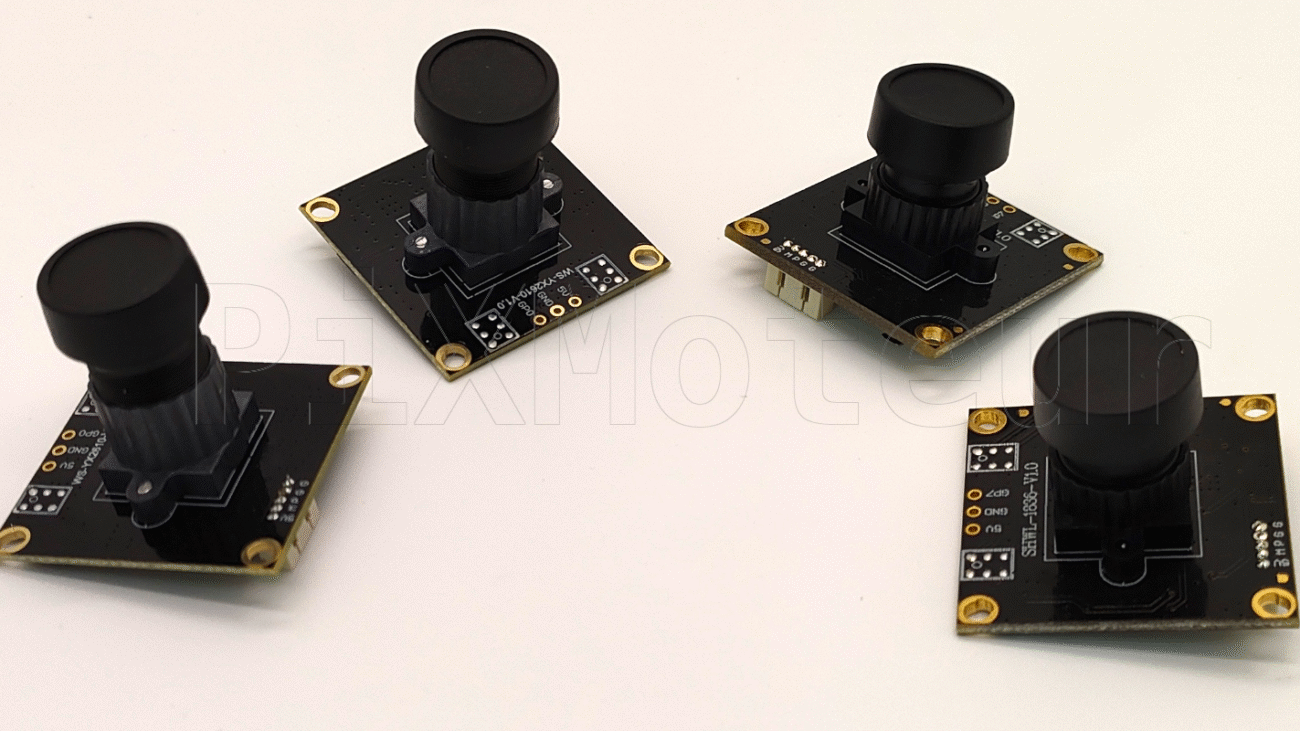
3220wdr85120cameramodule

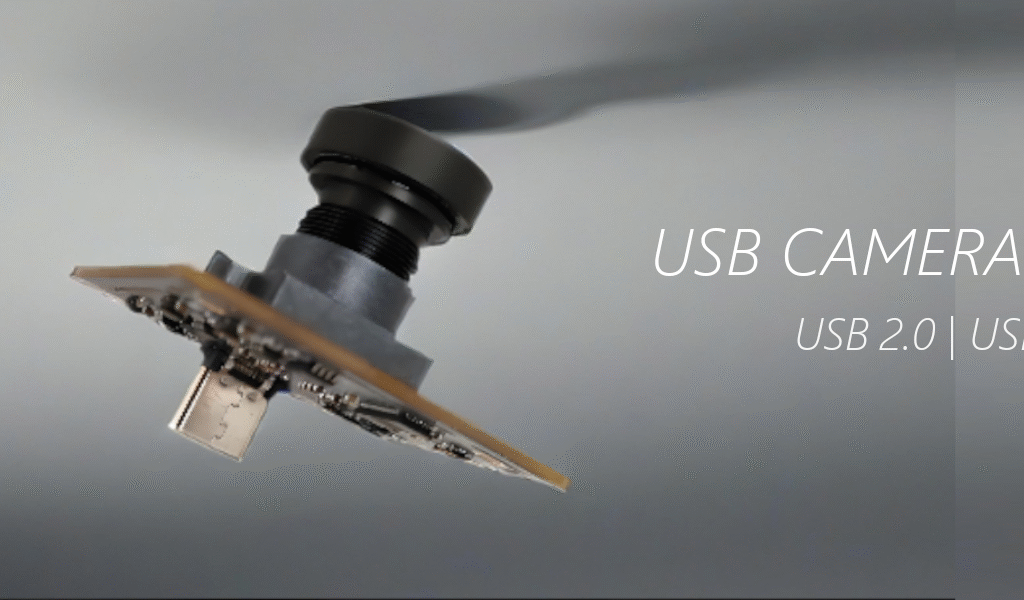
USB Camera Module Series: A Comprehensive Guide

USB camera modules have become ubiquitous in modern technology, powering everything from webcams and security systems to industrial inspection equipment and medical devices. Their versatility, ease of integration, and affordability make them a popular choice for a wide range of applications. This article delves into the world of USB camera module series, exploring their features, benefits, and considerations for selecting the right one for your needs.

What is a USB Camera Module?

A USB camera module is a compact, self-contained imaging device that captures visual data and transmits it to a host device (like a computer or embedded system) via a USB interface. These modules typically consist of an image sensor (CMOS or CCD), a lens, image processing circuitry, and a USB interface controller. The image sensor converts light into electrical signals, which are then processed and converted into a digital format that can be transmitted over USB.

Key Features and Benefits

Several factors contribute to the widespread adoption of USB camera modules:

  • Plug-and-Play Functionality: USB connectivity simplifies integration. Most operating systems recognize USB cameras automatically, requiring minimal setup.
  • Versatility: USB camera modules are available in various resolutions, frame rates, and form factors, catering to diverse application requirements.
  • Cost-Effectiveness: Compared to other imaging solutions, USB camera modules offer a cost-effective way to incorporate visual capabilities into a product.
  • Wide Compatibility: USB is a universally supported standard, ensuring compatibility with a broad range of devices and operating systems.
  • Ease of Use: Software development kits (SDKs) and drivers are readily available, simplifying software integration and customization.

Choosing the Right USB Camera Module

Selecting the appropriate USB camera module involves considering several factors:- Resolution: Determine the required image resolution based on the application’s needs. Higher resolutions provide more detail but may require more processing power.

  • Frame Rate: The frame rate (frames per second or FPS) dictates the smoothness of the video. Choose a frame rate suitable for the intended application.
  • Image Sensor Type: CMOS sensors are generally more affordable and energy-efficient, while CCD sensors often offer superior image quality, especially in low-light conditions.
  • Lens: Select a lens with the appropriate focal length and field of view for the application.
  • Interface: Ensure the USB interface (USB 2.0, USB 3.0, etc.) meets the bandwidth requirements of the application. USB 3.0 offers significantly higher data transfer rates than USB 2.0.
  • Form Factor: Consider the size and shape of the module to ensure it fits within the intended enclosure or design.
  • Operating Environment: Evaluate the operating temperature range and other environmental factors to ensure the module can withstand the conditions.

Applications of USB Camera Modules

USB camera modules find applications in numerous fields:

  • Webcams: For video conferencing, online meetings, and streaming.
  • Security Systems: For surveillance and monitoring.
  • Industrial Inspection: For quality control and automated inspection processes.
  • Medical Devices: For endoscopy, ophthalmology, and other medical imaging applications.
  • Robotics: For navigation, object recognition, and human-robot interaction.
  • Embedded Systems: For various applications requiring visual input.
rasppi camera

Understanding the Landscape About Raspberry Camera Modules

The Raspberry Pi, with its compact size and versatile GPIO pins, is a tinkerer’s dream. Add a camera module, and suddenly you unlock a world of possibilities: home security systems, time-lapse photography, wildlife monitoring, AI-powered object detection, robotics, and so much more. But with several official and third-party options available, how do you choose the right eye for your Pi project?

camera module for raspberry pi

About Official Raspberry Pi Camera Modules

This guide will walk you through the key considerations to help you select the perfect camera module for your needs.

Resolution & Image Quality

Beyond the main models, several factors will influence your decision.

  • RLow Light Performance & Night Vision
  • Fixed Focus vs. Autofocus vs. Manual Focus

Key Considerations When Choosing Your Camera Module

Choosing the right camera module for your Raspberry Pi boils down to understanding your project’s specific needs. There’s no single “best” camera; there’s only the best camera for your application.Take the time to consider resolution, lighting conditions, motion, field of view, and your budget.

  • Resolution & Image Quality
  • RLow Light Performance & Night Vision
  • Fixed Focus vs. Autofocus vs. Manual Focus
  • Field of View (FOV) & Lenses
  • Rolling Shutter vs. Global Shutter
  • Physical Form Factor & Cable Length
  • Budget

Putting It All Together: Which Camera is Right For You?

Long-Distance Monitoring (e.g., Birdwatching): High Quality Camera with a telephoto C/CS mount lens.

Basic Surveillance/General Photography (Daytime): Camera Module V2. Affordable, easy to use, and good enough for most casual projects.

Night Vision/Low-Light Surveillance: Camera Module V2 NoIR (with IR illuminator) or HQ Camera NoIR (with IR illuminator) for better quality.

High-Quality Photography/Scientific Imaging/Custom Lenses: High Quality Camera. Its interchangeable lenses and larger sensor offer professional-grade flexibility.

Robotics/Fast Motion Tracking/Industrial Applications: Global Shutter Camera. Crucial for avoiding motion blur and distortion.

Compact Projects with Limited Space: Camera Module V2. Its smaller footprint is often an advantage.

endoscope camera module

An Overview of Endoscope Camera Modules

In an age where precision, minimal invasiveness, and the ability to see the unseen are paramount, one tiny hero consistently rises to the challenge: the endoscope camera module. These miniature marvels are the “eyes” that allow us to explore the intricate pathways of the human body, the hidden defects in complex machinery, and the inaccessible corners of our world.

But what exactly are these sophisticated components? Let’s dive into an overview of endoscope camera modules.

What Exactly Are Endoscope Camera Modules?

At its core, an endoscope camera module is a highly miniaturized, self-contained digital camera system specifically designed for integration into endoscopes or similar inspection tools. Unlike standard cameras, these modules are engineered to operate in challenging environments – think dark, confined spaces, often with extreme temperatures or in fluid.

Their primary function is to capture real-time visual information from these hard-to-reach areas, transmitting it to an external monitor or recording device for analysis, diagnosis, or guidance during procedures.

Key Components of an Endoscope Camera Module

Despite their tiny size, these modules pack a powerful punch thanks to several integrated components:

  • Image Sensor: This is the “retina” of the camera. Modern endoscope modules primarily use CMOS (Complementary Metal-Oxide-Semiconductor) sensors due to their small size, low power consumption, high frame rates, and excellent image quality.
  • Lens System: A series of micro-lenses focuses light onto the image sensor. The design of these lenses determines crucial optical properties like the field of view (FOV) and depth of field (DOF).
  • Illumination: Since most internal environments are dark, endoscope modules integrate tiny LEDs (Light Emitting Diodes) or utilize fiber optics to deliver light directly to the area being viewed, ensuring clear visibility.
  • Flexible Cable: A thin, often multi-core cable transmits power to the module and carries the video data back to the processing unit. This cable is crucial for the maneuverability of the endoscope.
  • Connector: An interface that links the camera module’s cable to the main system, ensuring robust and reliable data transfer.
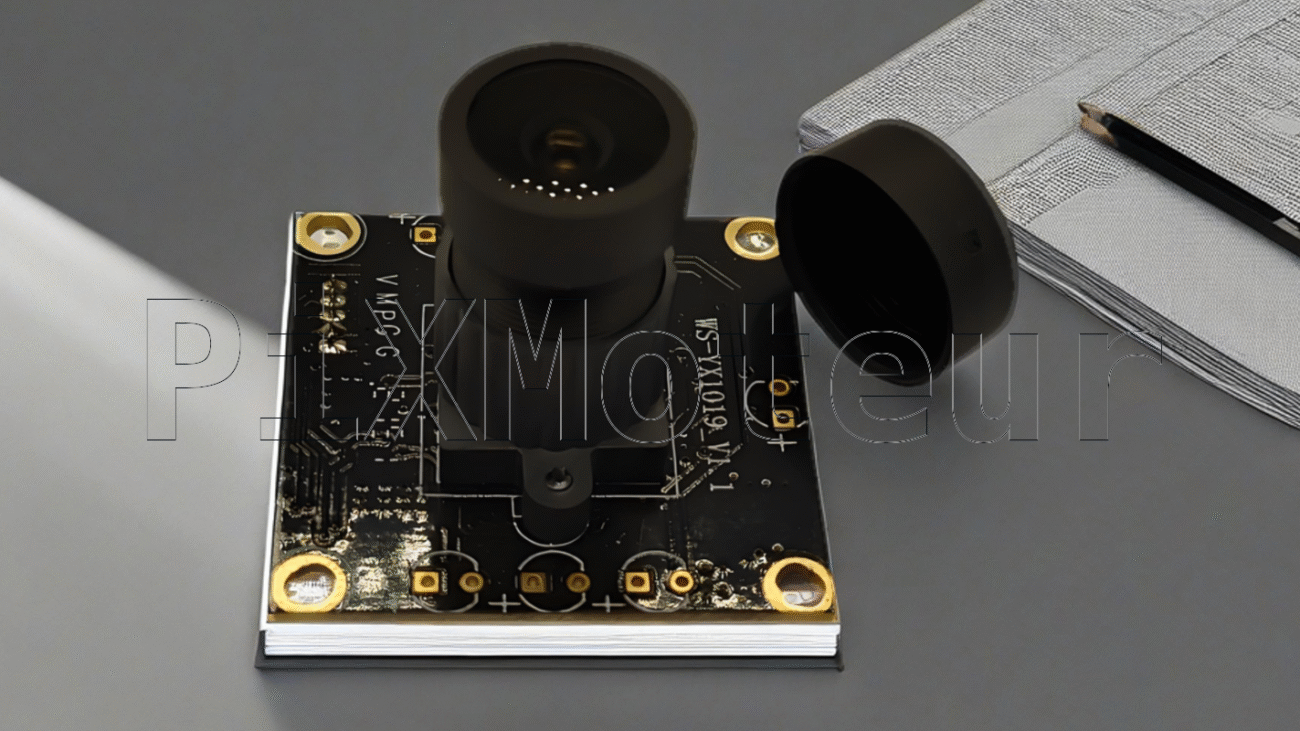
nightvisioncamera

One-Stop Solution for Innovative Camera Modules

Welcome to Pixmoteur: Your One-Stop Solution for Innovative Camera Modules

Diverse Product Range

Pixmoteur boasts an extensive selection of camera modules to cater to a wide array of applications. Our core product lines include

Endoscope Camera Modules: USB Camera Modules: MIPI Camera Modules: And much more!.

Uncompromising Quality

We are committed to delivering camera modules that meet the highest industry standards. Rigorous quality control processes are integrated throughout our manufacturing and supply chain to ensure reliability and consistent performance.

Explore our catalog for specialized solutions and emerging technologies.

Expertise in Customization

  • Sensor Selection and Optimization
  • Lens and Optics Design
  • Form Factor and Mechanical Design
  • Interface and Connectivity
  • Firmware and Software Integration

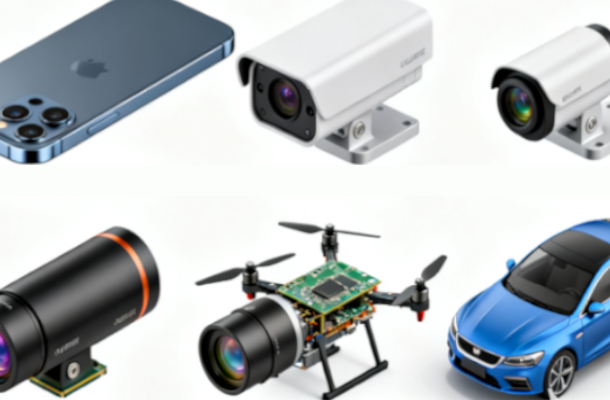
Camera Module Application

One-Stop Solution Provider

Our goal is to simplify your sourcing process. By offering a comprehensive range of products and a dedicated customization service, we aim to be your single point of contact for all your camera module requirements.

This streamlines development, reduces lead times, and ensures a cohesive approach to your visual capture technology.

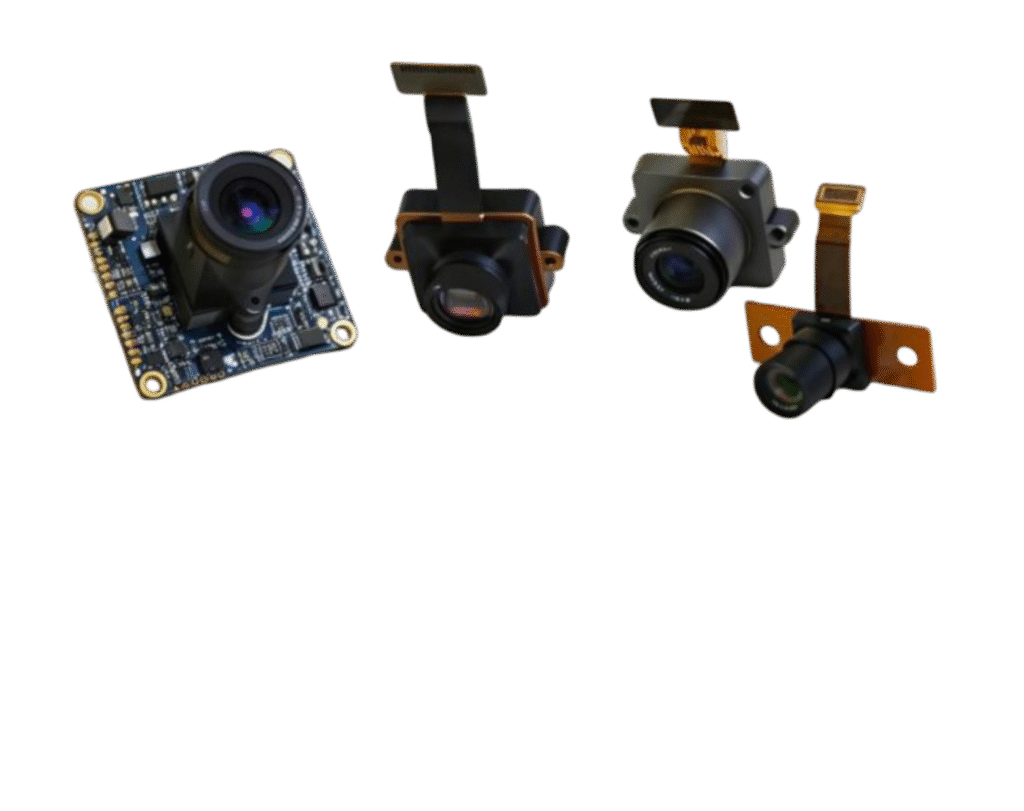
night vision camera module customization

Product Customization — Hot to Built Exactly for Your Needs

Every project is unique. Standard camera modules don’t always fit specialized industrial, scientific, or commercial applications. That’s why Pixmoteur offers end-to-end customized camera development tailored to your specific requirements:

  • Software and Firmware: Tailored image processing, compression, and controls to optimize functionality.
  • Sensor Selection: Choose from CMOS, CCD, or other sensor technologies optimized for resolution, sensitivity, spectral range, and speed.
  • Optics Design:  Custom lens configurations, adjustable focus, and specialized coatings for your working conditions.
  • Form Factor: Compact modules, rugged housings, flexible or rigid probes, or integrated multi-camera setups.
  • Illumination Integration:Custom LED arrays, infrared, or UV lighting solutions for enhanced imaging
  • Interface Compatibility: USB, Ethernet, MIPI, or other communication protocols to suit your processing systems.

Our Custom Camera Development Flow

Here’s how Pixmoteur transforms your idea into a high-performance camera solution:

  • Requirement Analysis: We collaborate closely to understand your application needs.
  • Feasibility Study: Assess technical viability and propose optimal solutions.
  • Component Selection: Choose the best sensors, optics, and electronics.
  • Prototype Development: Build and test initial concepts.
  • Testing & Validation: Ensure performance and durability standards.
  • Customization: Refine features and packaging based on feedback.
  • Production: Manufacture high-quality modules at scale.
  • Support: Providing ongoing maintenance and upgrades.

Key Features of Pixmoteur Camera Modules

Our innovation lies in customization at every level — from hardware to software:

  • Ultra-High Resolution: Up to 100+ megapixels for detailed inspection and analysis.
  • Low-Light Sensitivity: Superior performance in challenging lighting environments.
  • High Frame Rate: Capture fast-moving objects with minimal motion blur.
  • Compact & Modular Design: Enables easy integration into your systems.
  • Rugged and Reliable: Built for industrial environments with IP67 sealing and temperature tolerance.
  • Multi-Spectral Imaging: Capture visible, IR, and UV spectrums for specialized applications.
  • Smart Processing: Onboard AI and image enhancement algorithms for real-time insights.
  • Wide Compatibility: Supports various data transfer protocols and seamless integration with custom software.

Why Choose Pixmoteur?

At Pixmoteur, we don’t just deliver cameras — we deliver vision solutions engineered to push the boundaries of what’s possible. With a proven track record of innovation, quality, and customer satisfaction, Pixmoteur is your trusted partner for all your camera customization needs.

Contact us today to discuss how we can bring your imaging project to life with customized camera technology that drives your success.