
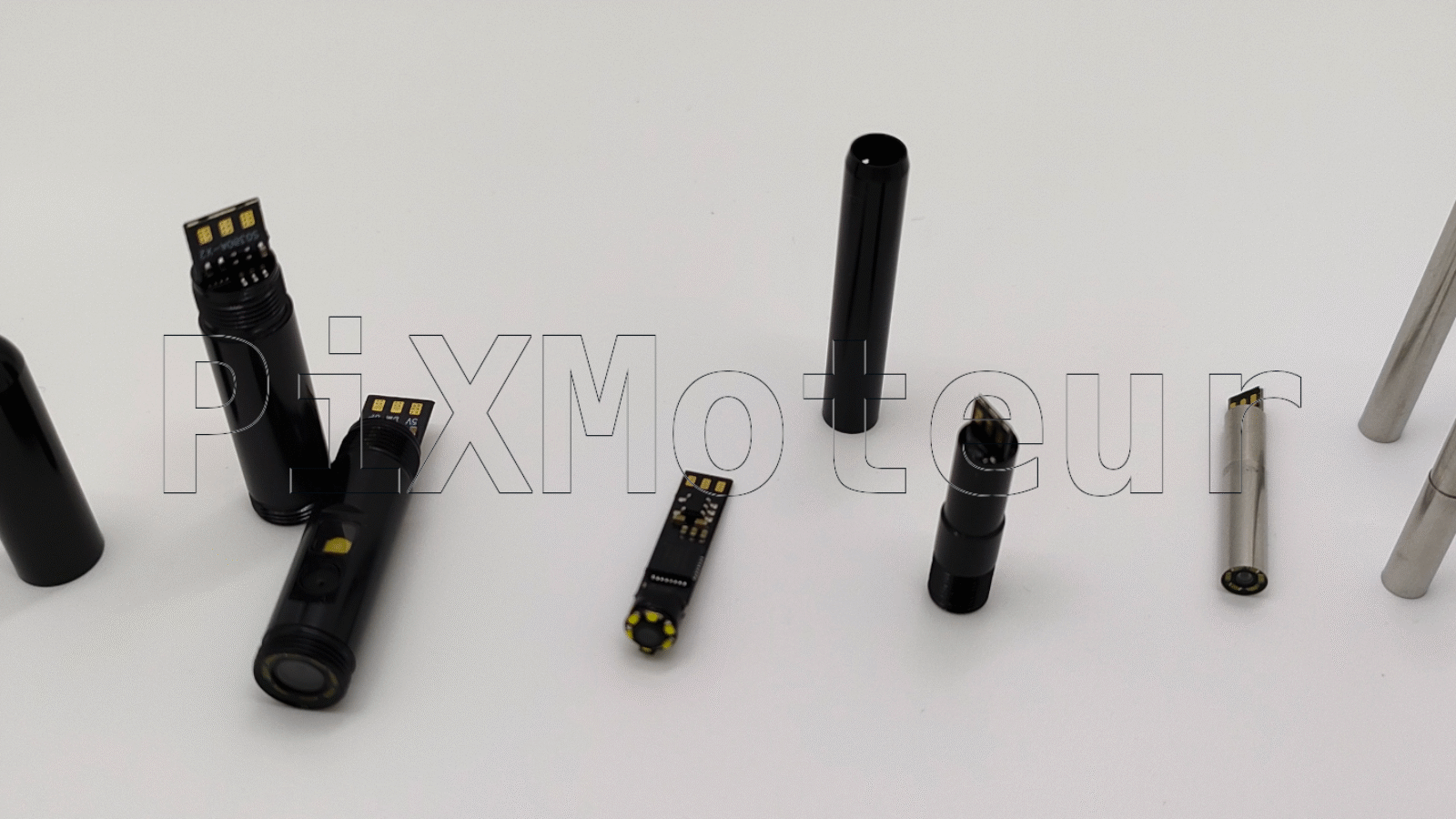
In an age where precision, minimal invasiveness, and the ability to see the unseen are paramount, one tiny hero consistently rises to the challenge: the endoscope camera module. These miniature marvels are the “eyes” that allow us to explore the intricate pathways of the human body, the hidden defects in complex machinery, and the inaccessible corners of our world.
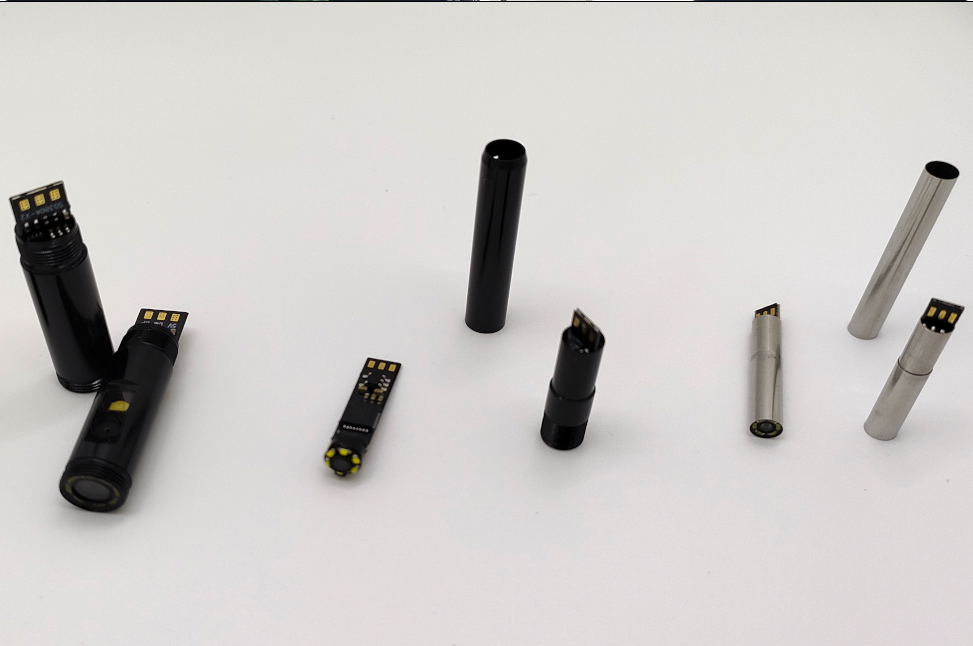
But what exactly are these sophisticated components? Let’s dive into an overview of endoscope camera modules.
What Exactly Are Endoscope Camera Modules?
At its core, an endoscope camera module is a highly miniaturized, self-contained digital camera system specifically designed for integration into endoscopes or similar inspection tools. Unlike standard cameras, these modules are engineered to operate in challenging environments – think dark, confined spaces, often with extreme temperatures or in fluid.
Their primary function is to capture real-time visual information from these hard-to-reach areas, transmitting it to an external monitor or recording device for analysis, diagnosis, or guidance during procedures.
Key Components of an Endoscope Camera Module
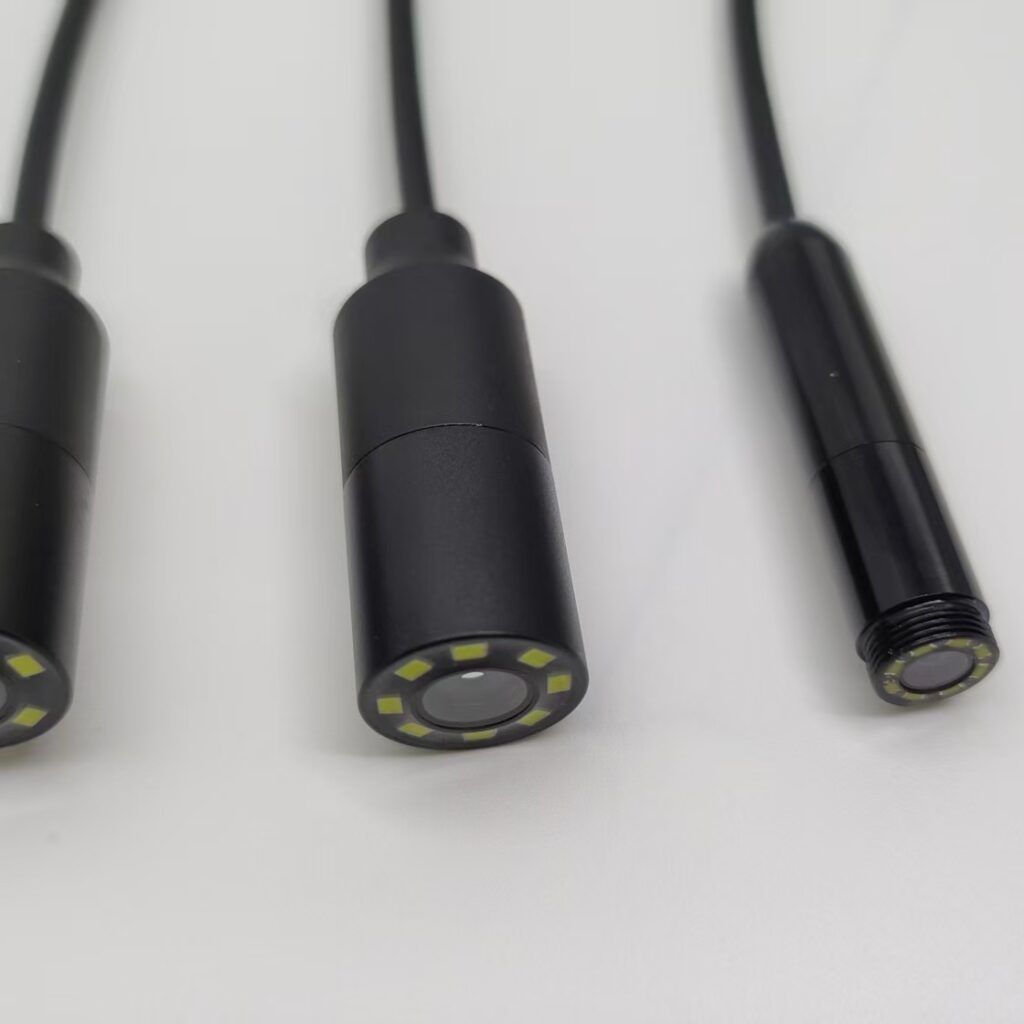
Despite their tiny size, these modules pack a powerful punch thanks to several integrated components:
- Image Sensor: This is the “retina” of the camera. Modern endoscope modules primarily use CMOS (Complementary Metal-Oxide-Semiconductor) sensors due to their small size, low power consumption, high frame rates, and excellent image quality.
- Lens System: A series of micro-lenses focuses light onto the image sensor. The design of these lenses determines crucial optical properties like the field of view (FOV) and depth of field (DOF).
- Illumination: Since most internal environments are dark, endoscope modules integrate tiny LEDs (Light Emitting Diodes) or utilize fiber optics to deliver light directly to the area being viewed, ensuring clear visibility.
- Flexible Cable: A thin, often multi-core cable transmits power to the module and carries the video data back to the processing unit. This cable is crucial for the maneuverability of the endoscope.
- Connector: An interface that links the camera module’s cable to the main system, ensuring robust and reliable data transfer.
Leave A Comment